In the United States, the government operates under a federalist system, where power is shared between a national federal government and the 50 individual states. Each state functions as a semi-autonomous entity, with its own government and constitution. According to the U.S. Constitution, any powers that are not explicitly granted to the federal government are reserved for the states. Therefore, the role of the state governor is highly significant. Governors serve as the chief executives of their state, responsible for overseeing state administration and acting as commanders-in-chief within their jurisdictions.
Governors are directly elected by voters in their respective states, although term length and limits vary according to each state’s constitution. Currently, thirty-seven states have term limits on their governors. In some states, governors serve two consecutive four-year terms and are eligible to run again after sitting out at least one term. In other states, governors serve two four-year terms in their lifetime and cannot run again when they are faced with term limits. Virginia is the only state that has a one term limit for its governors, whereas Vermont and New Hampshire have two-year terms without term limits.
The current sitting governors in all fifty states are listed below:

Former Governor of Virginia

Former Governor of New Jersey

Alabama

Alaska

Arizona

Arkansas

California

Colorado

Connecticut

Delaware
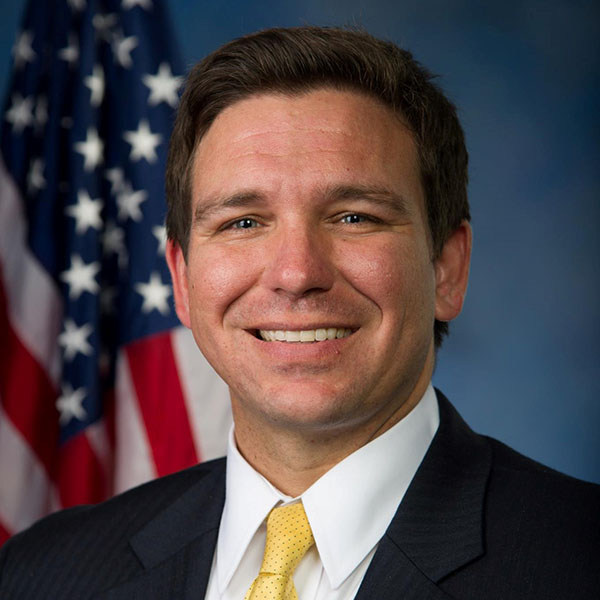
Florida

Georgia

Hawaii

Idaho

Illinois

Indiana

Iowa

Kansas

Kentucky

Louisiana

Maine
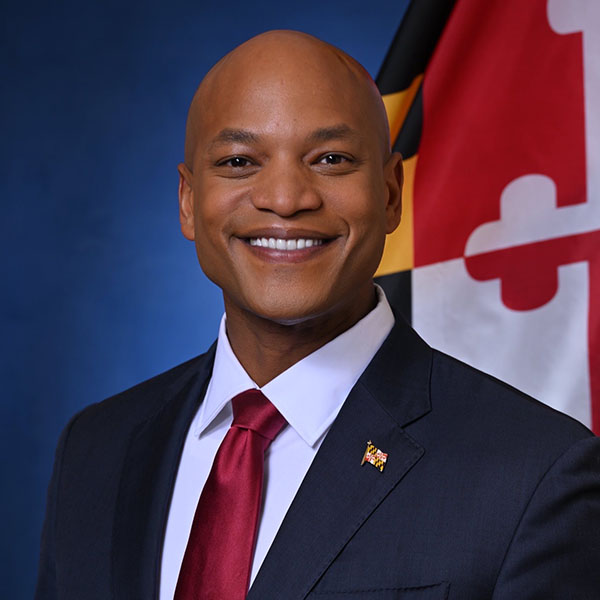
Maryland

Massachusetts

Michigan

Minnesota

Mississippi

Missouri

Montana

Nebraska

Nevada

New Hampshire

New Jersey
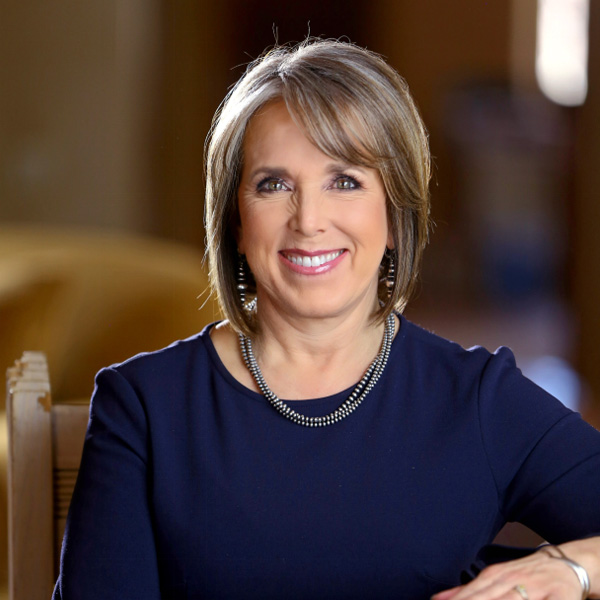
New Mexico

New York

North Carolina

North Dakota

Ohio

Oklahoma

Oregon

Pennsylvania
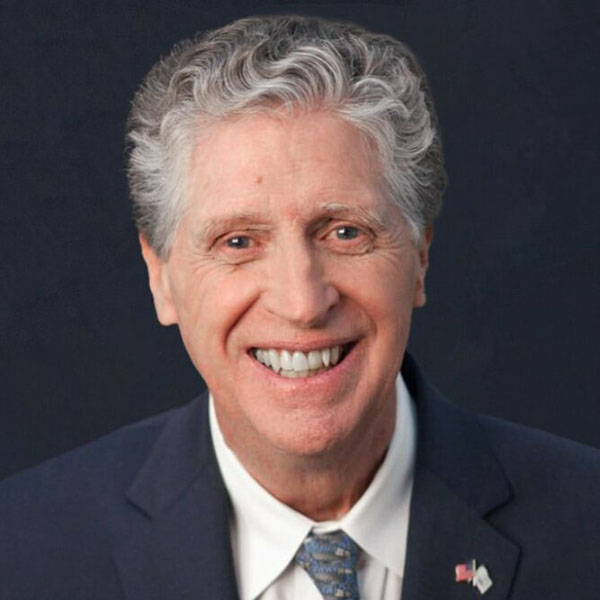
Rhode Island
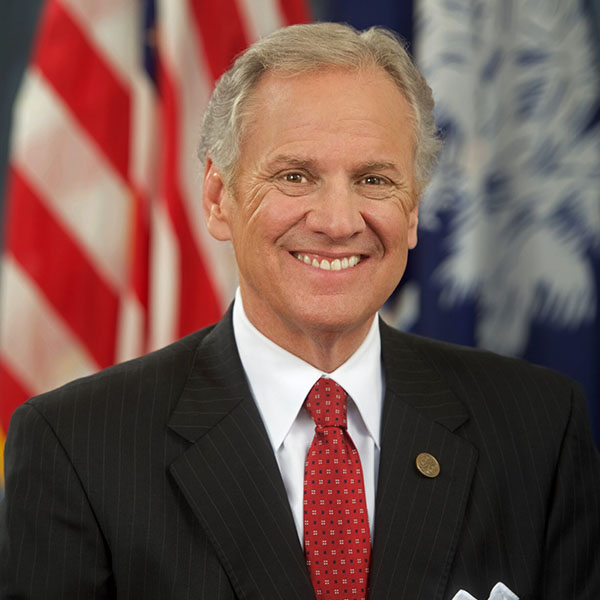
South Carolina

South Dakota

Tennessee
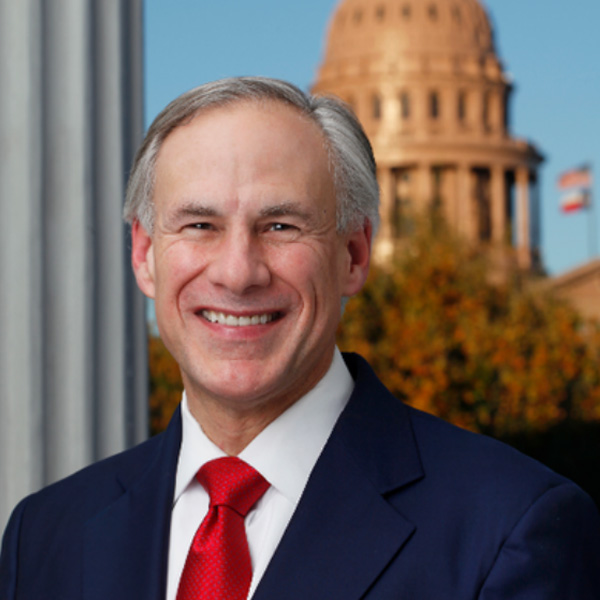
Texas

Utah

Vermont

Virginia

Washington

West Virginia

Wisconsin

Wyoming