The United States Senate, one of the two chambers of Congress, is composed of two senators from each of the 50 states who serve six-year terms without term limits. Its key functions include drafting and passing legislation, confirming presidential appointments, and ratifying treaties. The Senate’s structure ensures equal representation for all states, regardless of population, balancing the House of Representatives’ population-based approach. Its comparatively longer terms are intended to promote stability of national policies.
Senators are elected by popular vote in their respective states, with elections held every two years for approximately one-third of the seats. Leadership roles of the Senate include the Vice President, who serves as presiding officer and can break ties; the President Pro Tempore, elected by the majority party to preside in the Vice President’s absence; and Majority and Minority Leaders, elected by their respective parties to set agendas and manage legislative strategy. Additionally, each party elects Whips to ensure party discipline on votes. The Senate operates through specialized committees that review legislation, conduct investigations, and provide oversight of government agencies.
The current sitting Senators are listed below:

Senator from South Carolina

Former Senator of Oklahoma

Senator from Maryland

Senator from Wisconsin

Senator from Indiana

Senator from Wyoming
Senate Majority Whip

Senator from Colorado

Senator from Tennessee
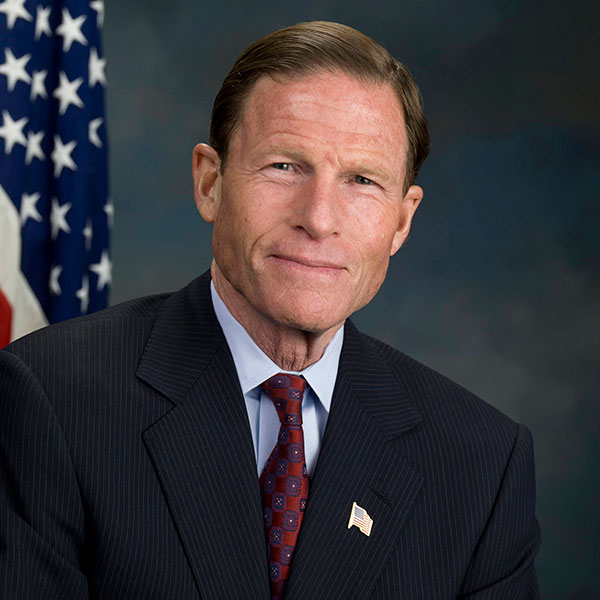
Senator from Connecticut

Senator from Delaware
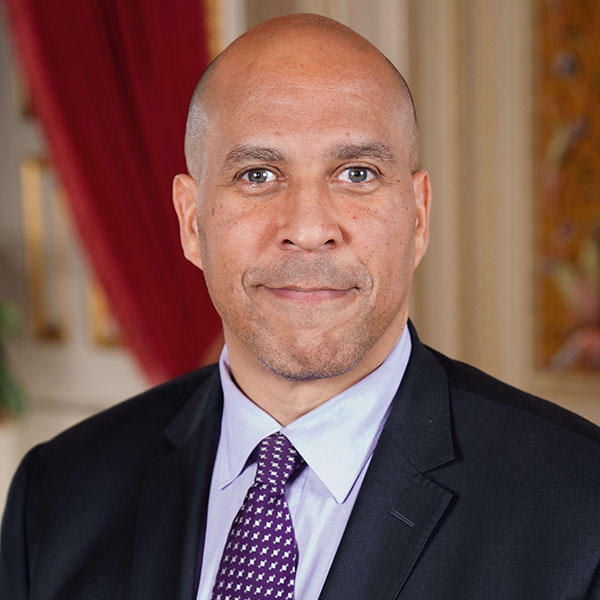
Senator from New Jersey
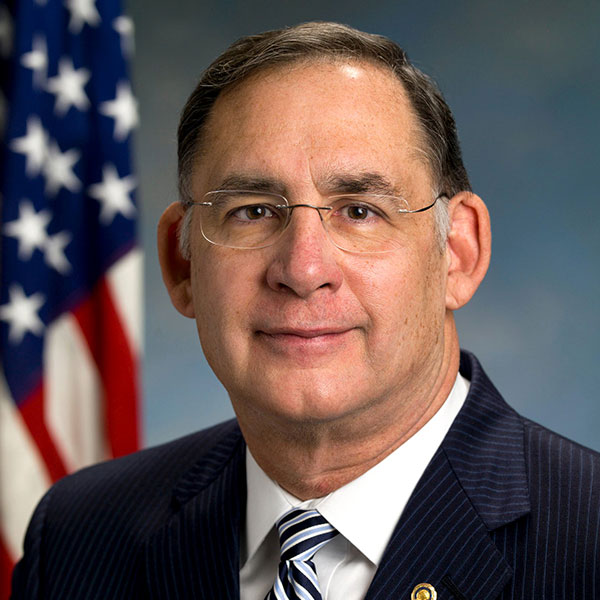
Senator from Arkansas

Senator from Alabama
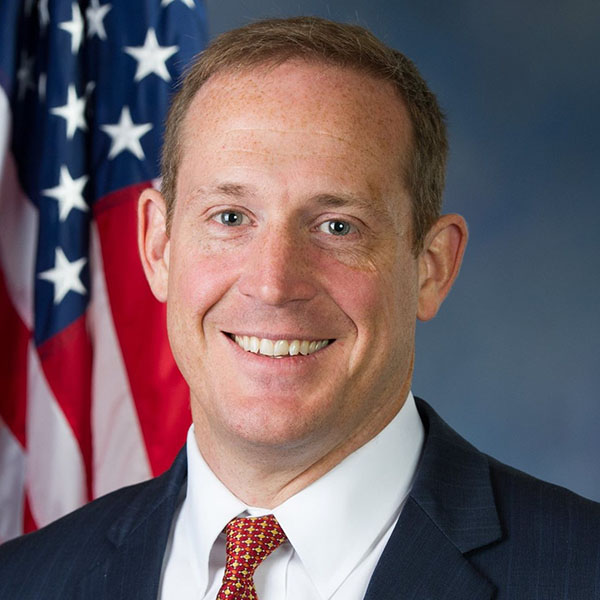
Senator from North Carolina

Senator from Washington

Senator from West Virginia

Senator from Louisiana

Senator from Maine
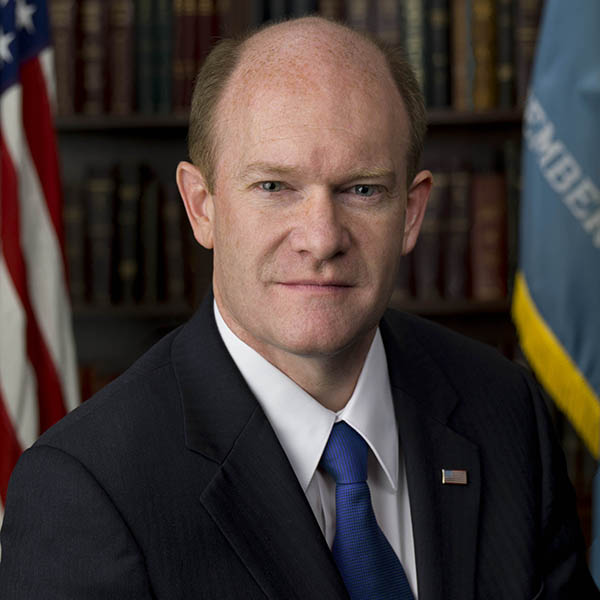
Senator from Delaware
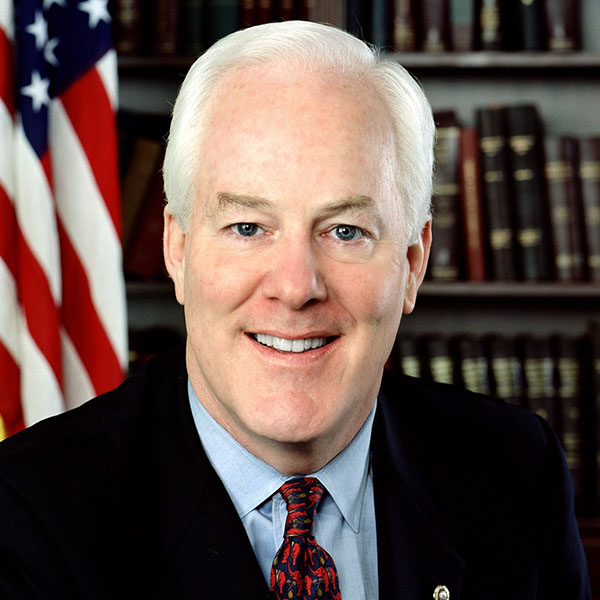
Senator from Texas
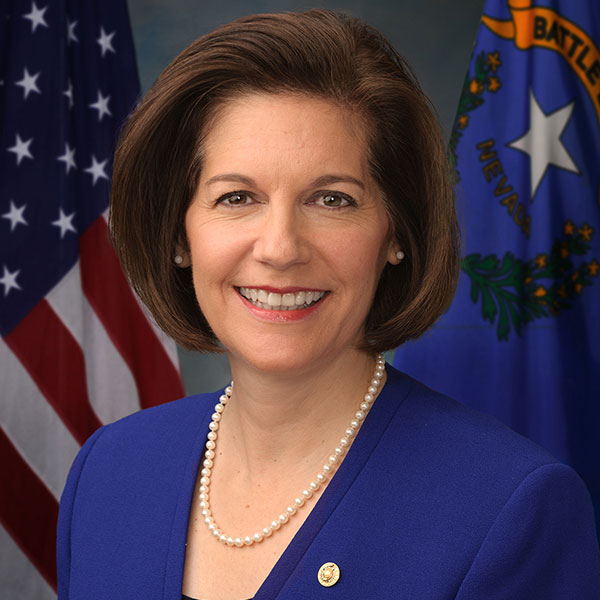
Senator from Nevada

Senator from Arkansas

Senator from North Dakota
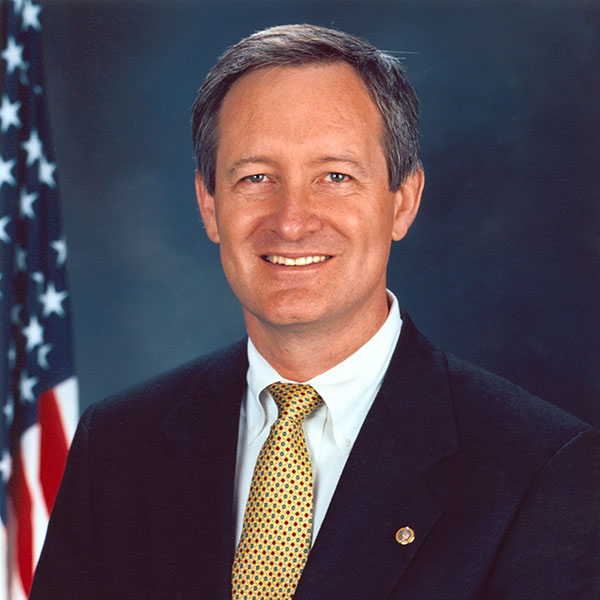
Senator from Idaho
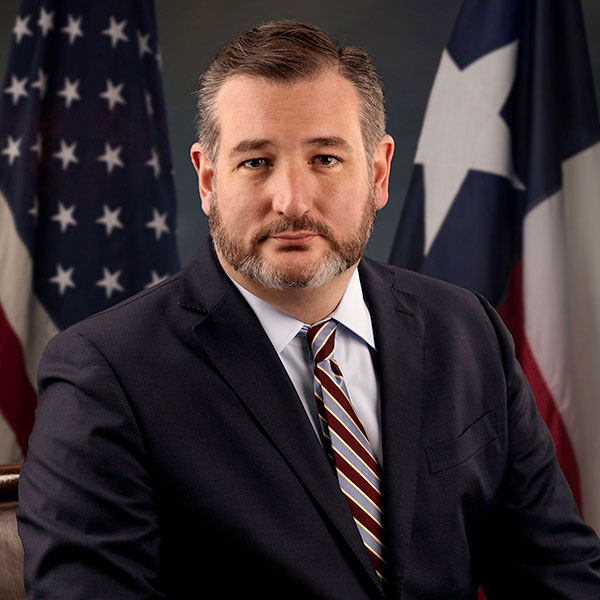
Senator from Texas
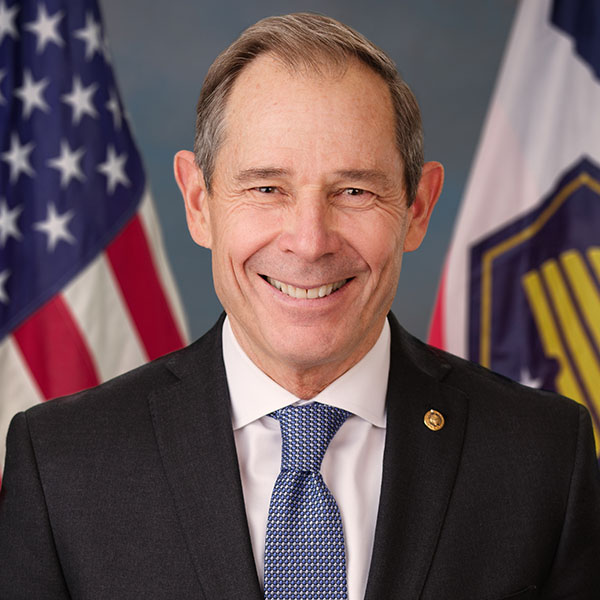
Senator from Utah
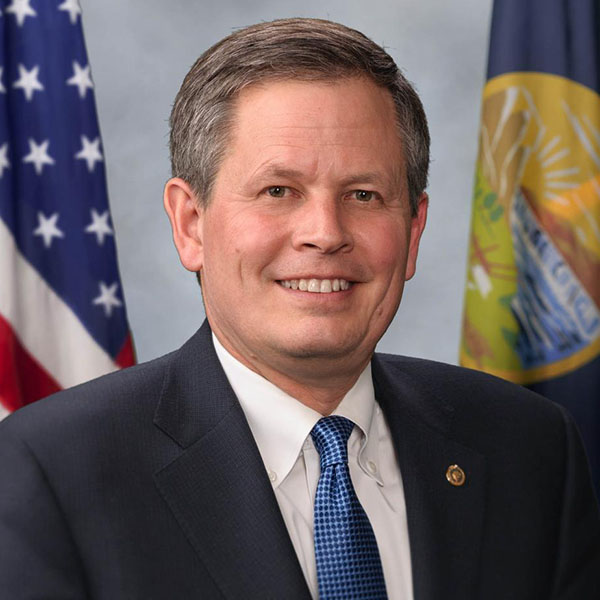
Senator from Montana

Senator from Illinois

Senator from Illinois
Senate Minority Whip

Senator from Iowa

Senator from Pennsylvania
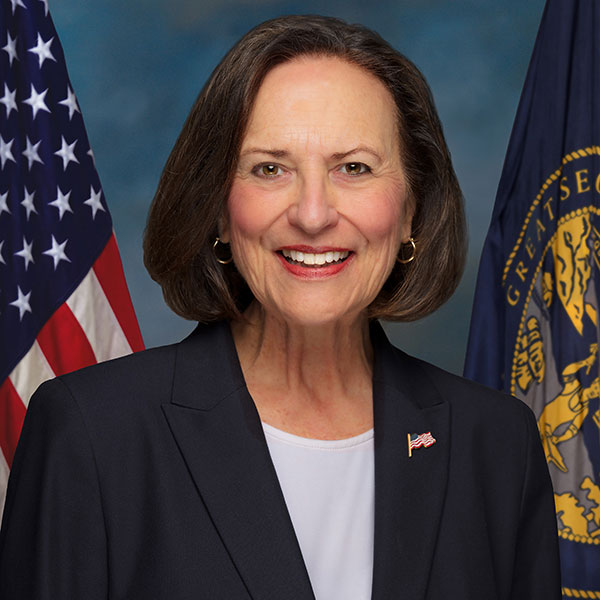
Senator from Nebraska

Senator from Arizona

Senator from New York
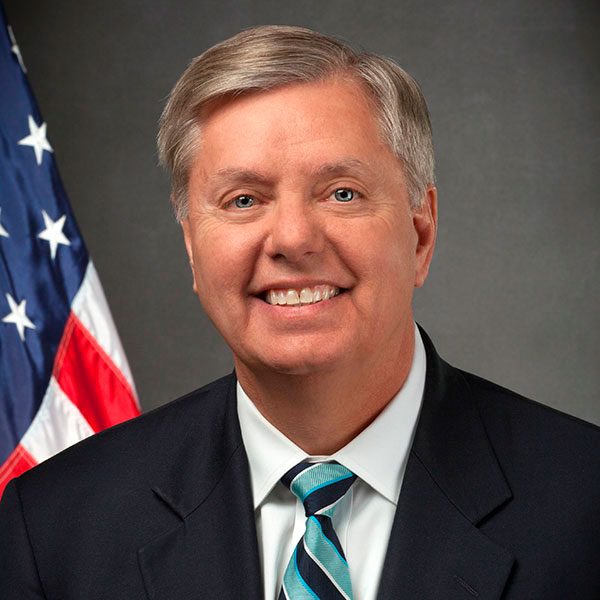
Former Senator from South Carolina
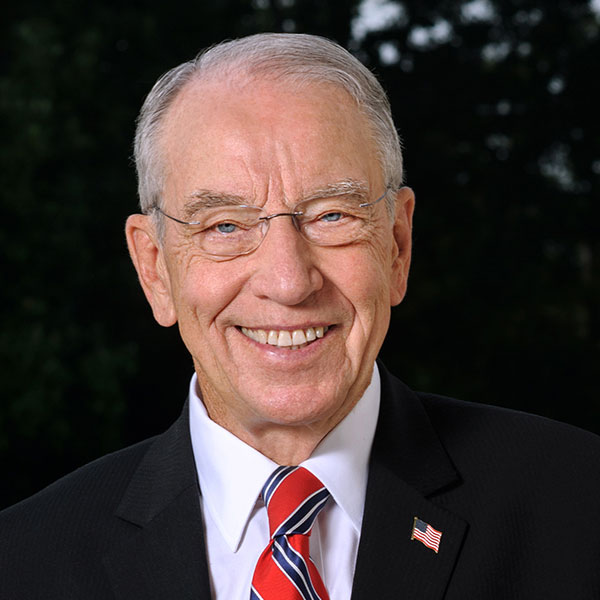
Senator from Iowa
President Pro Tempore of the U.S. Senate
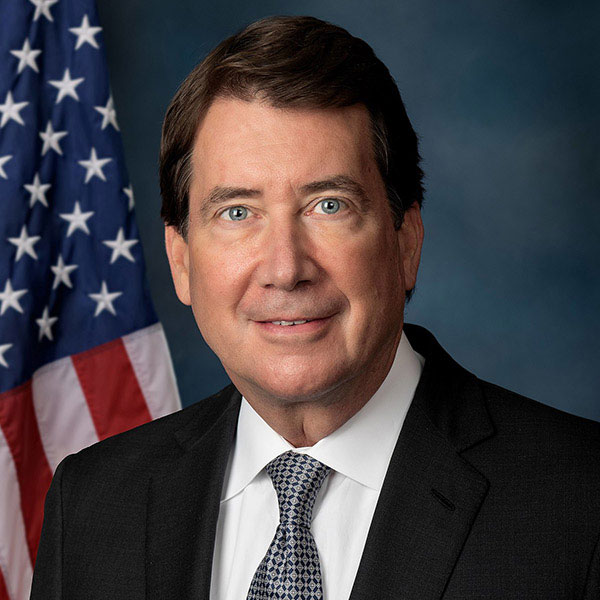
Senator from Tennessee
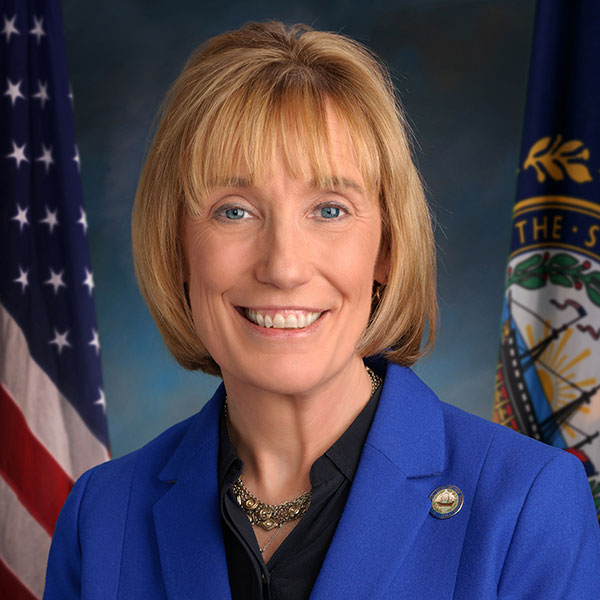
Senator from New Hampshire
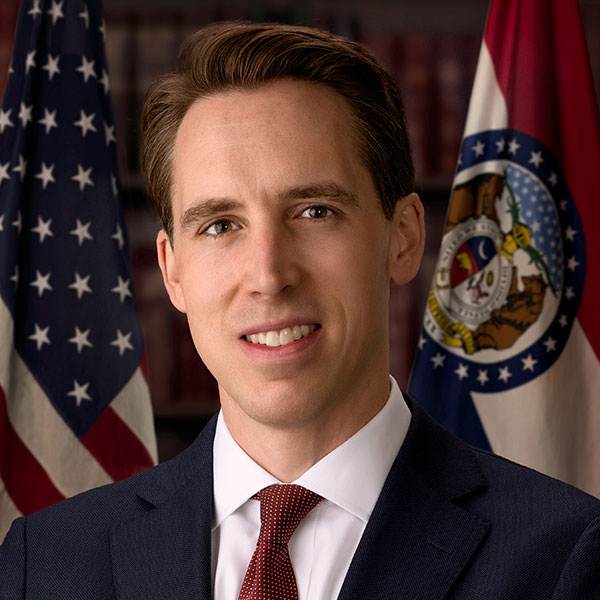
Senator from Missouri

Senator from New Mexico
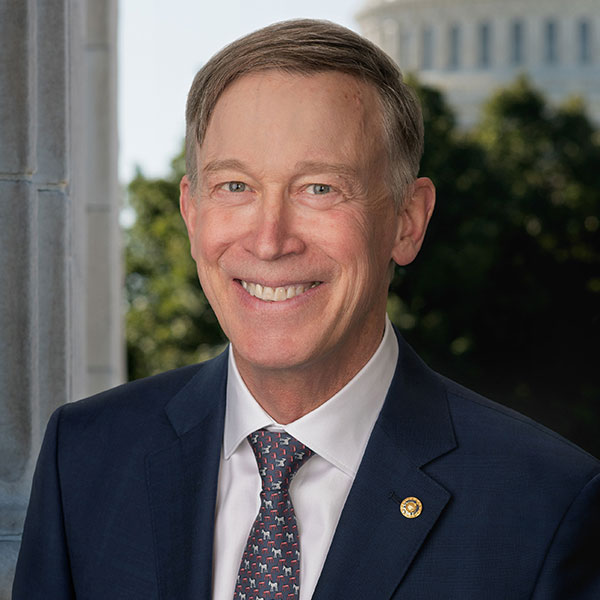
Senator from Colorado
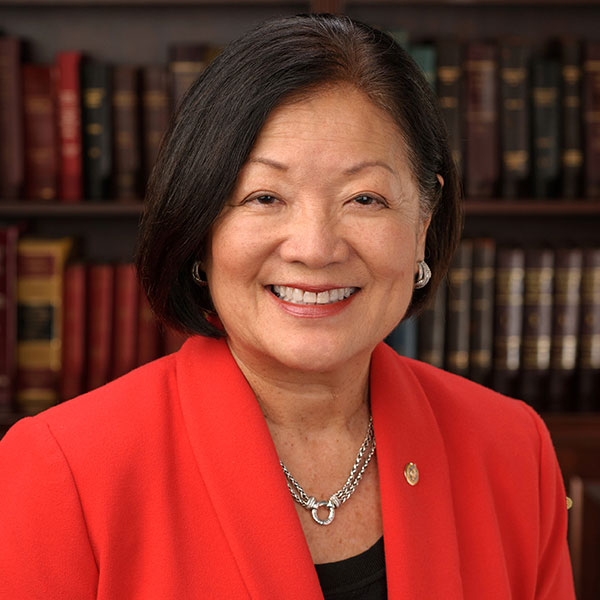
Senator from Hawaii
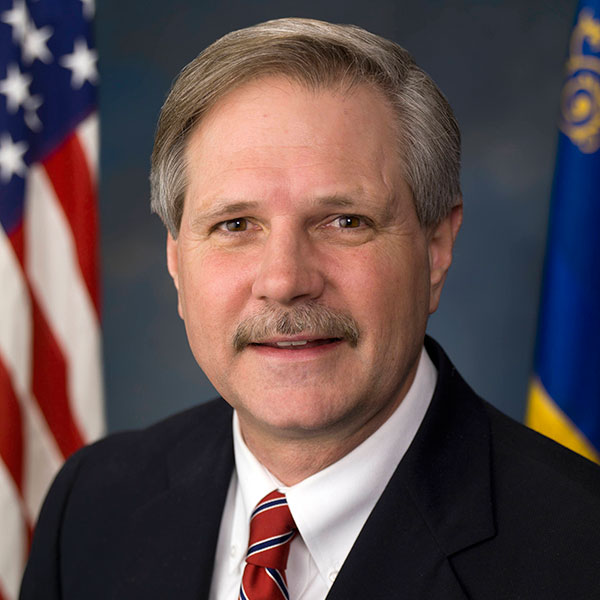
Senator from North Dakota
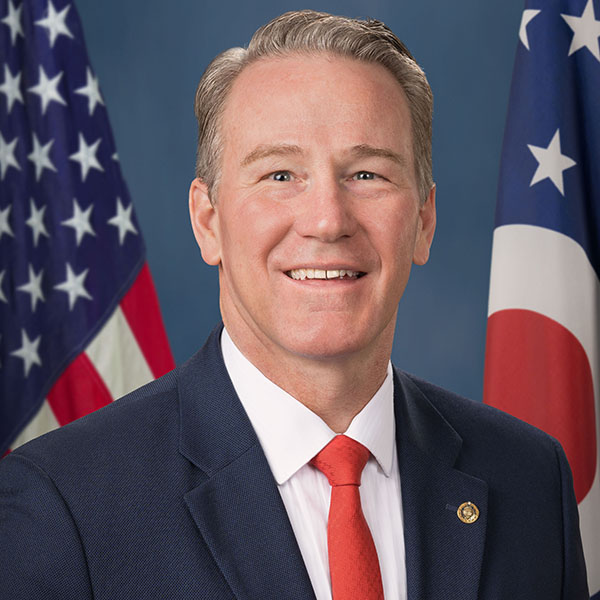
Senator from Ohio
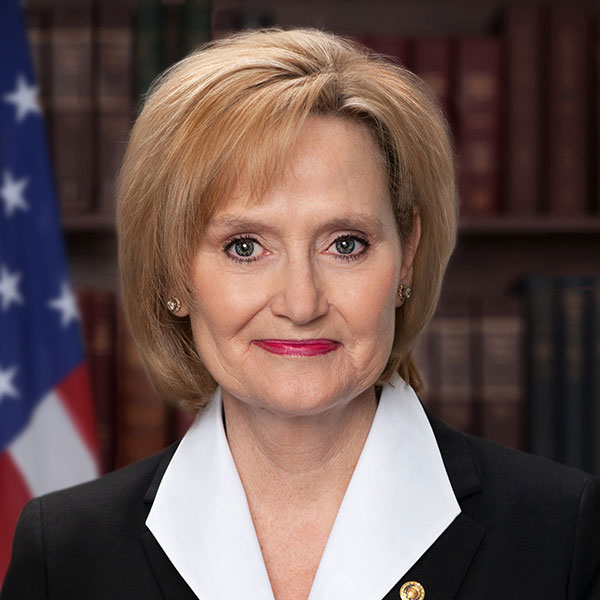
Senator from Mississippi
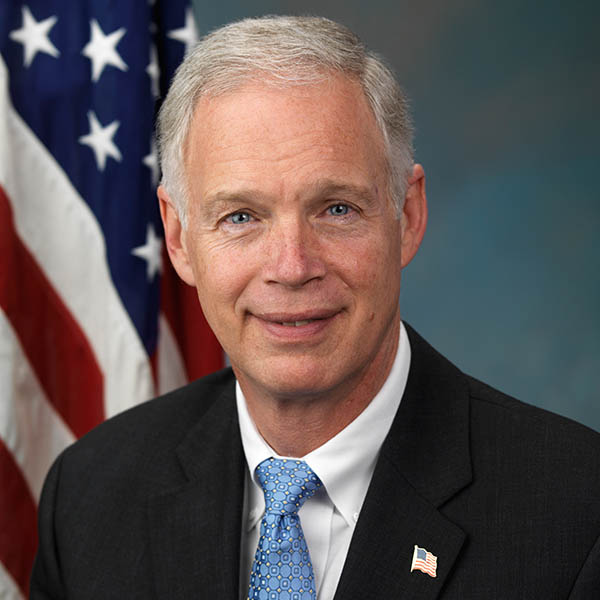
Senator from Wisconsin
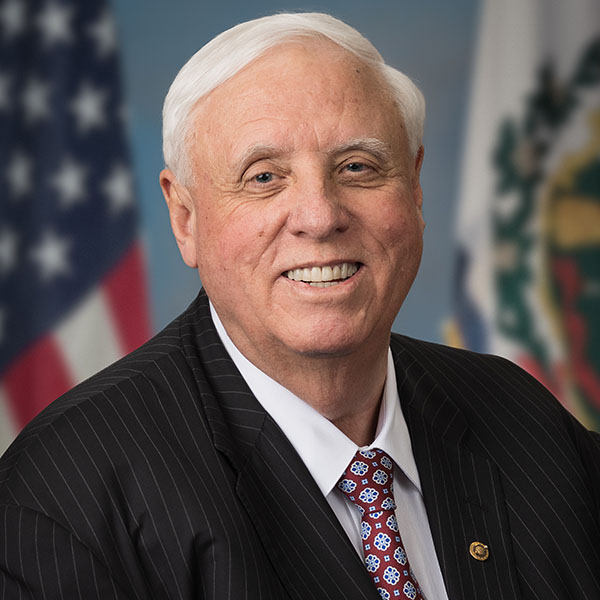
Senator from West Virginia

Senator from Virginia
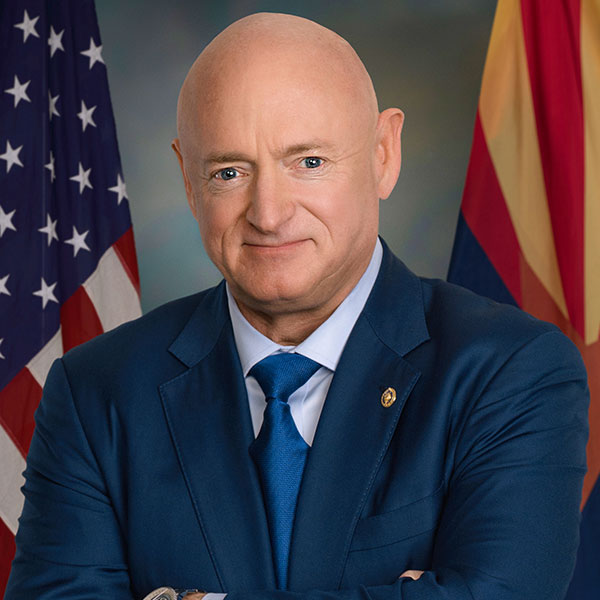
Senator from Arizona

Senator for Louisiana

Senator from New Jersey
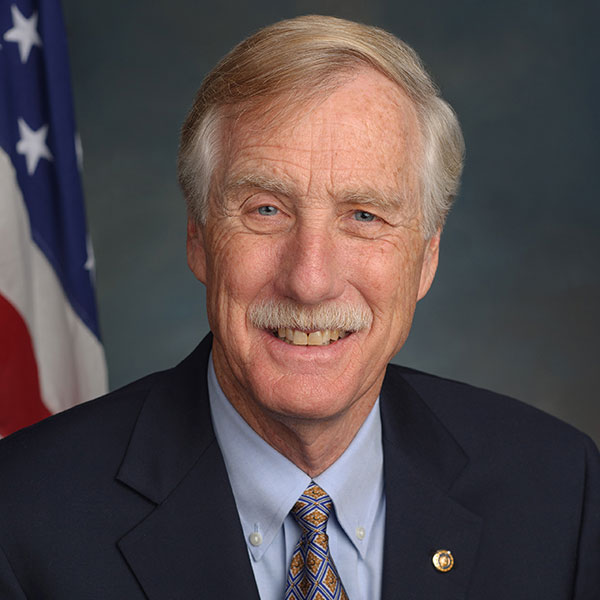
Senator from Maine

Senator from Minnesota
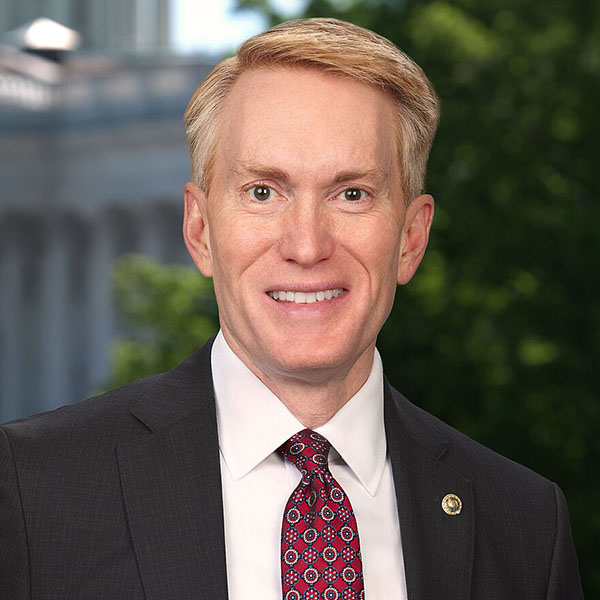
Senator from Oklahoma
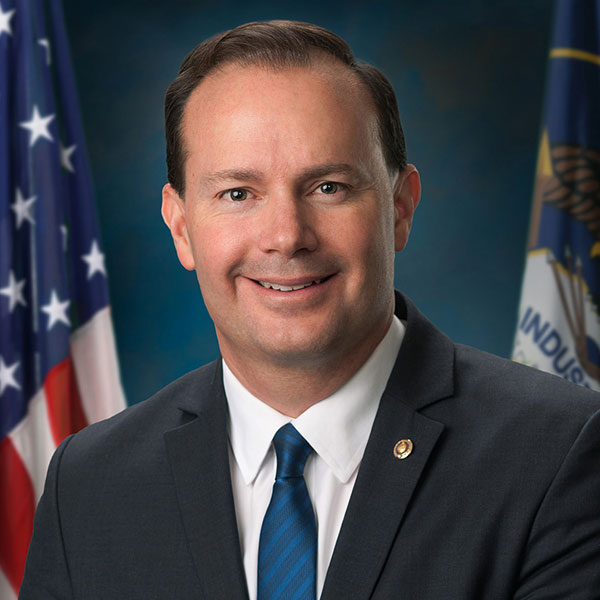
Senator from Utah
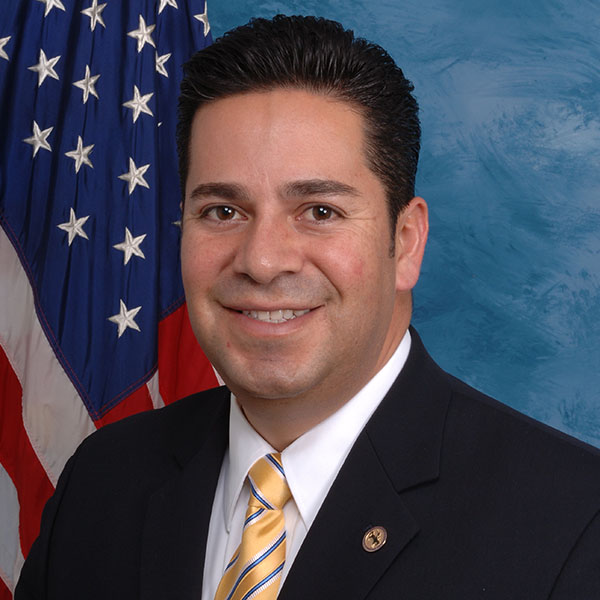
Senator from New Mexico

Senator from Wyoming
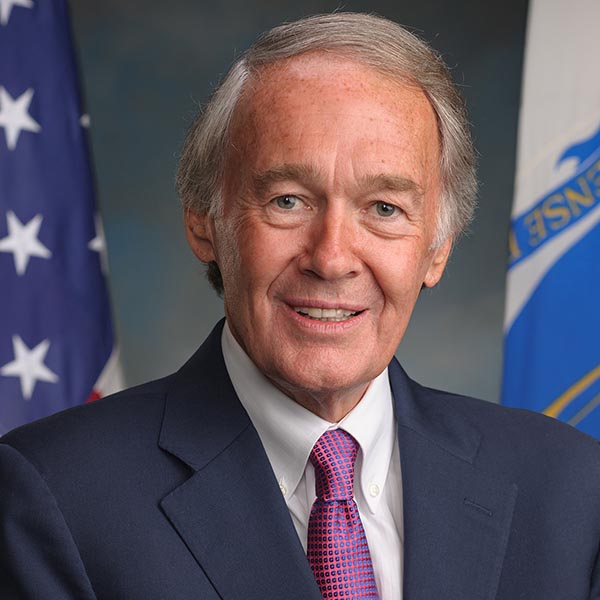
Senator from Massachusetts
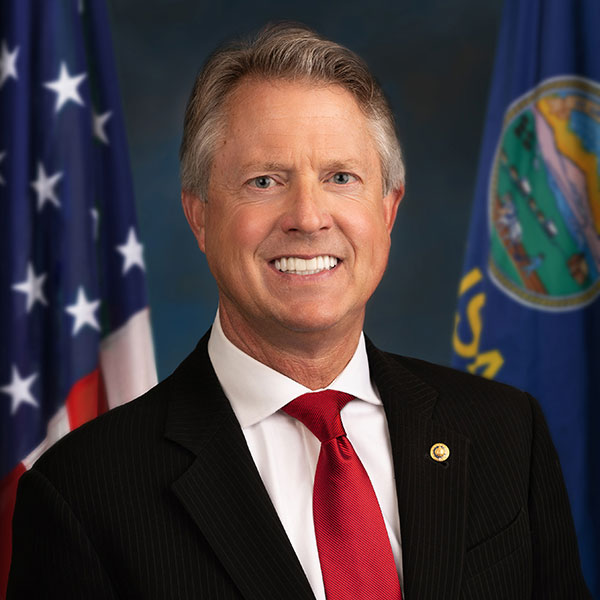
Senator from Kansas
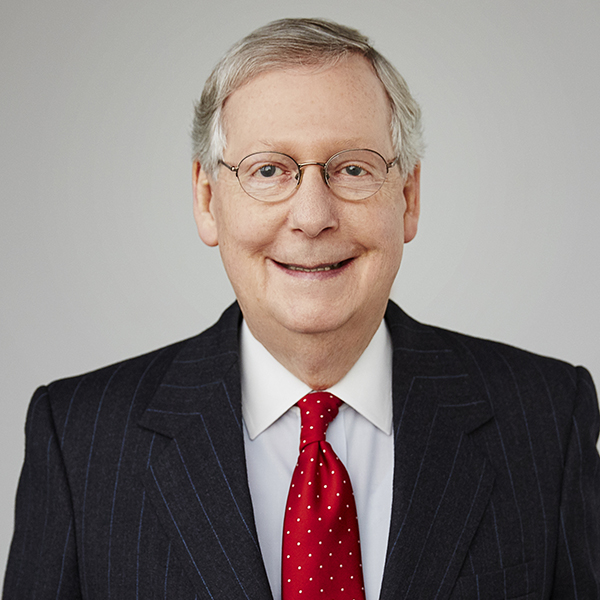
Senator from Kentucky
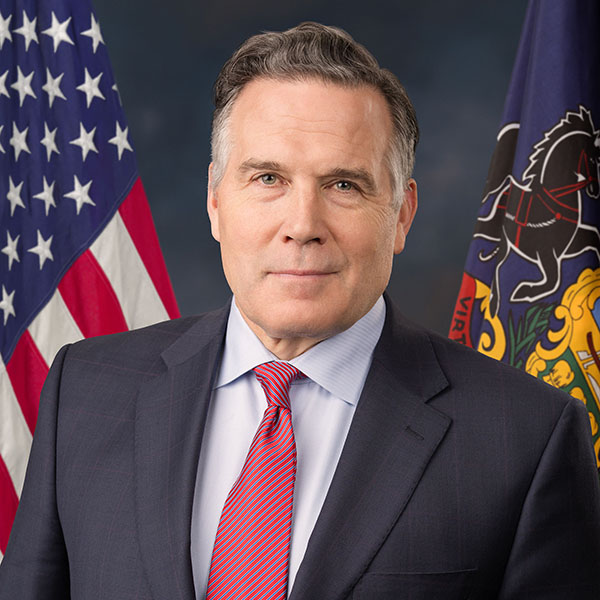
Senator from Pennsylvania
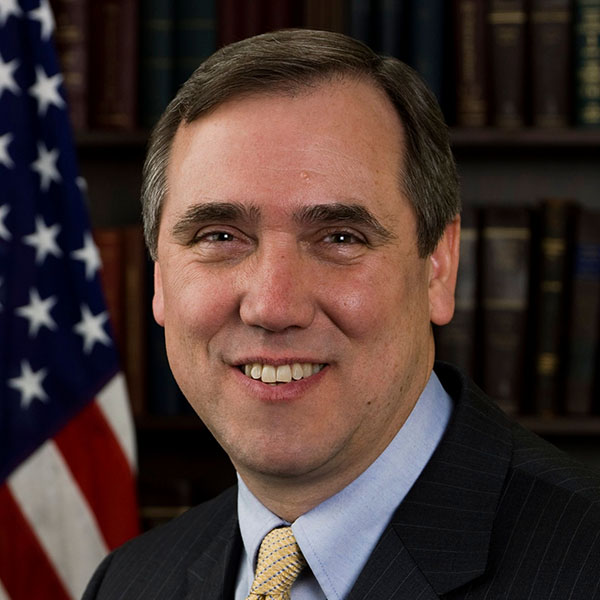
Senator from Oregon

Senator from Florida
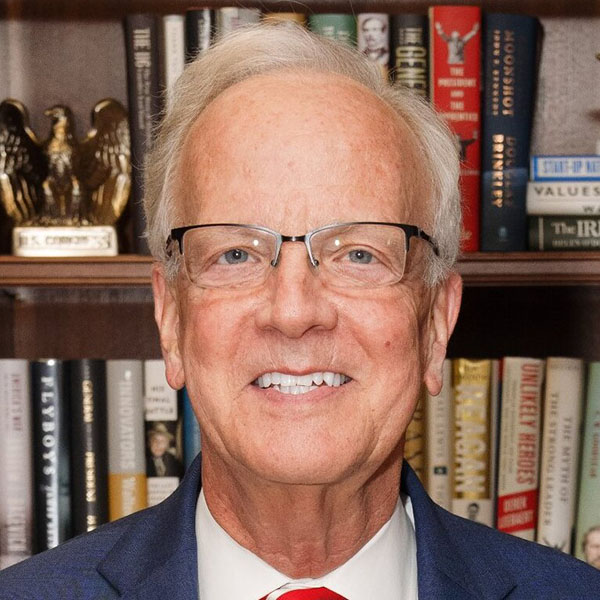
Senator from Kansas
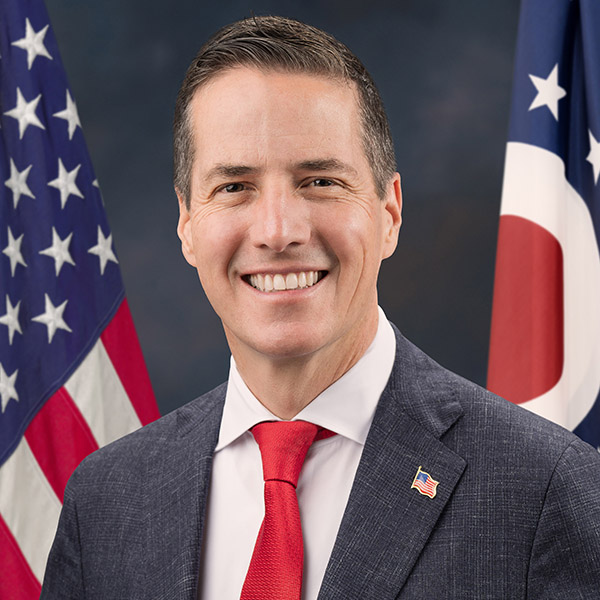
Senator from Ohio

Senator from Alaska

Senator from Connecticut
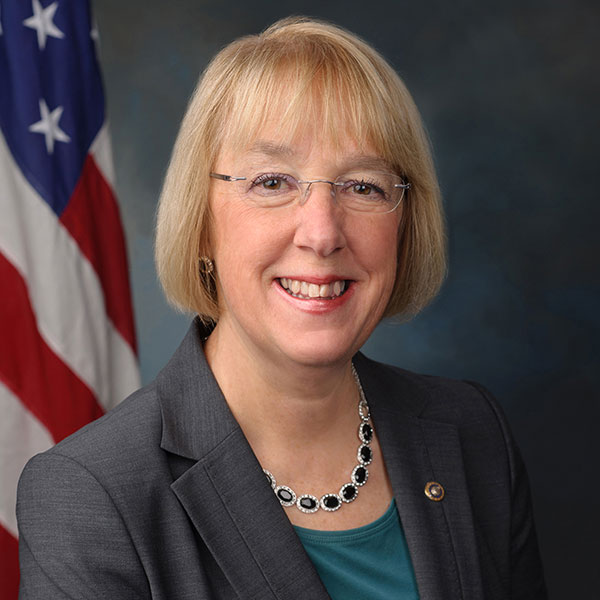
Senator from Washington

Senator from Georgia
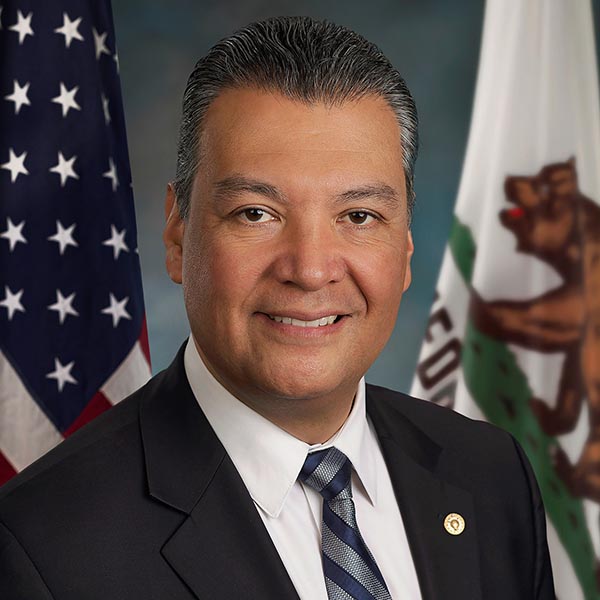
Senator from California

Senator from Kentucky
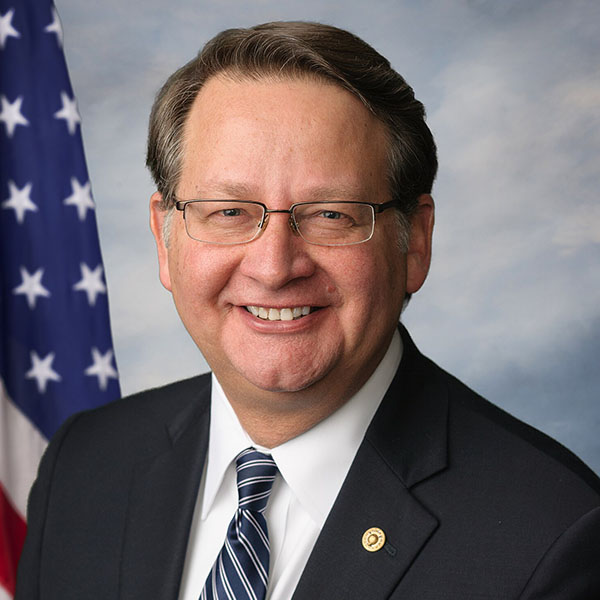
Senator from Michigan
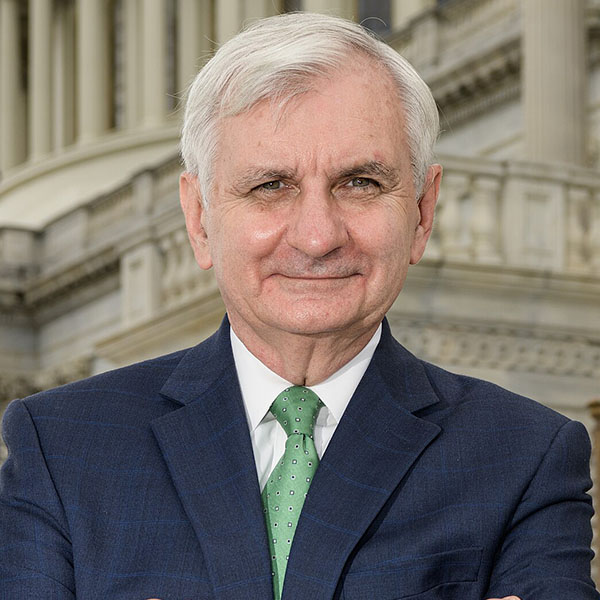
Senator from Rhode Island
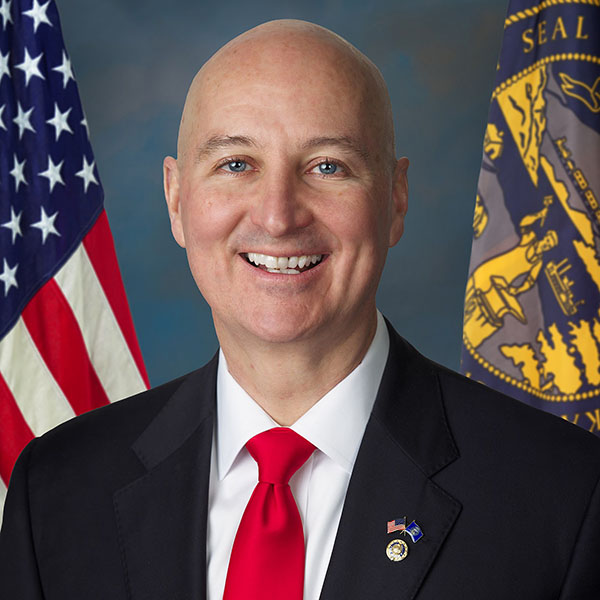
Senator from Nebraska
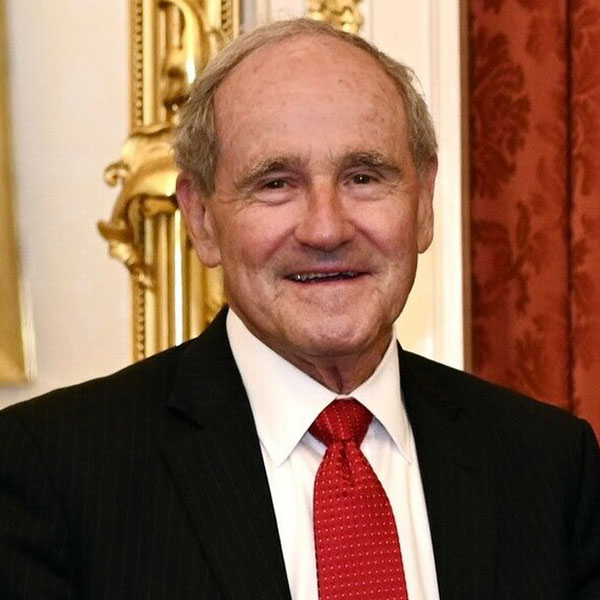
Senator from Idaho

Senator from Nevada
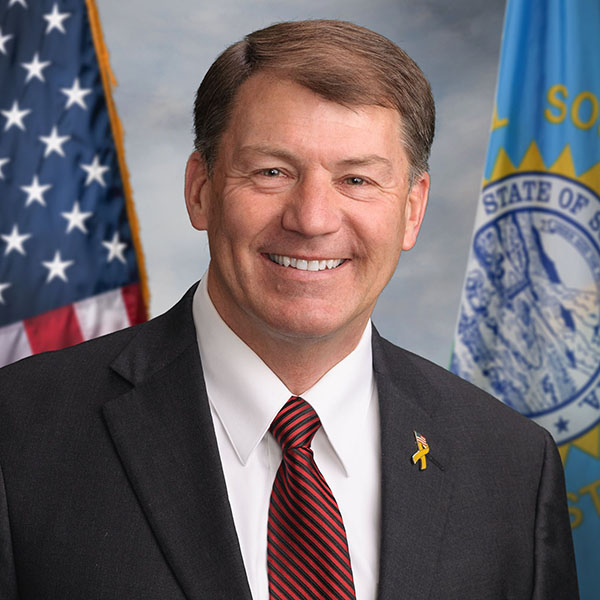
Senator from South Dakota
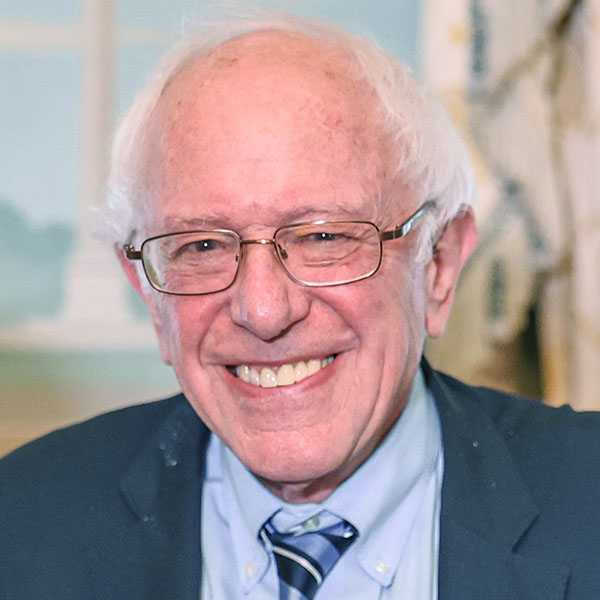
Senator from Vermont

Senator from Hawaii
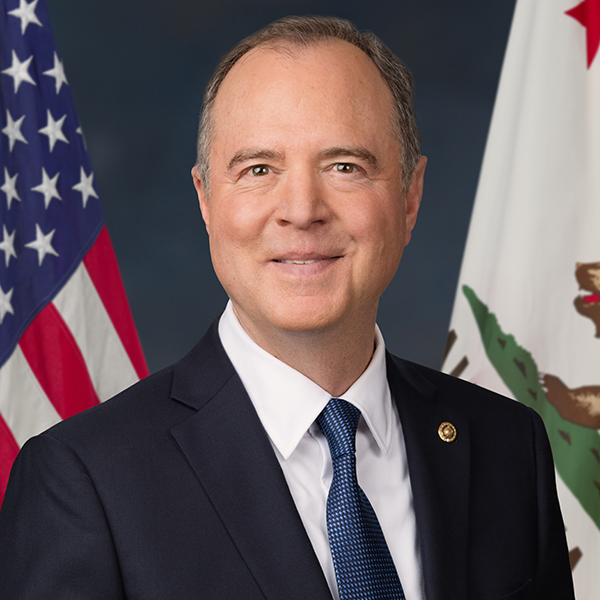
Senator from California
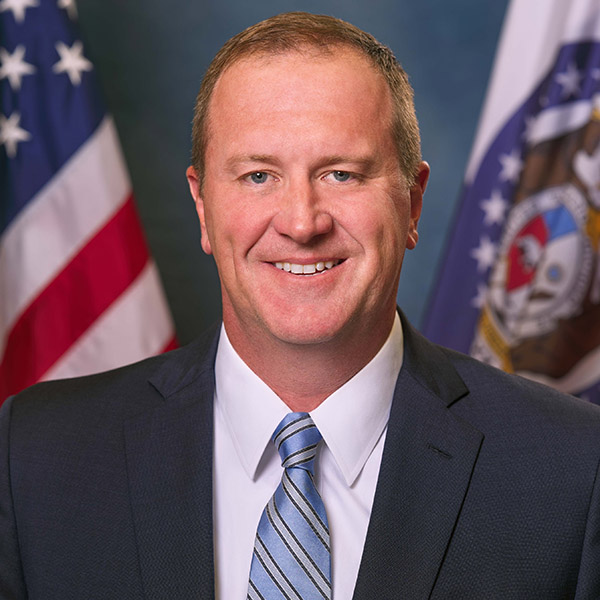
Senator from Missouri
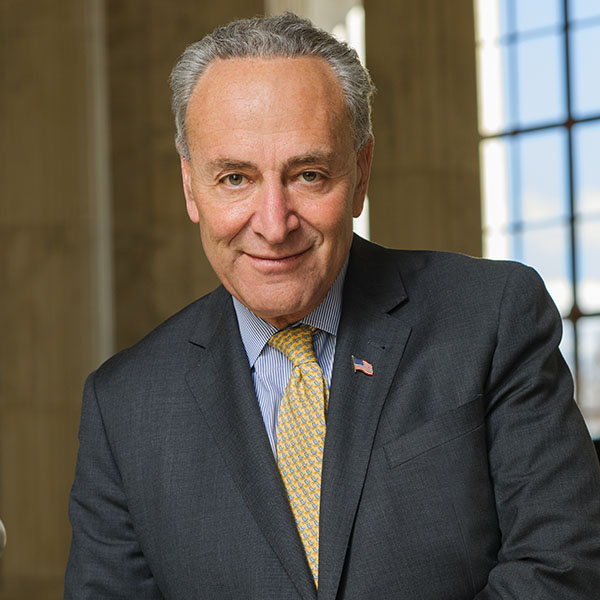
Senator from New York Senate Minority Leader
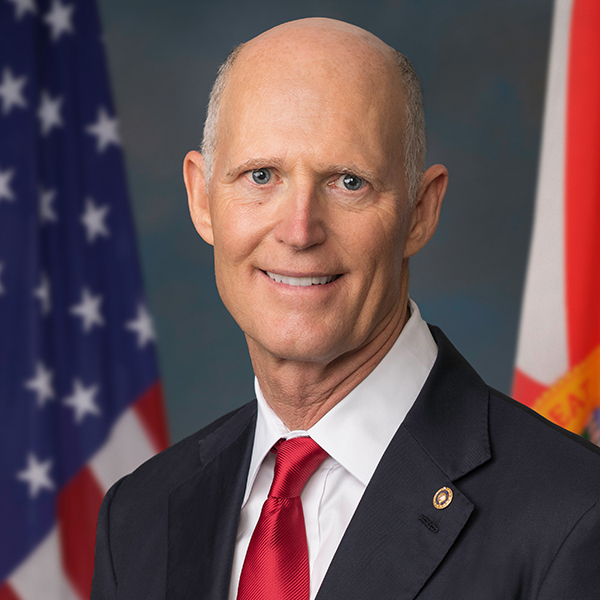
Senator from Florida
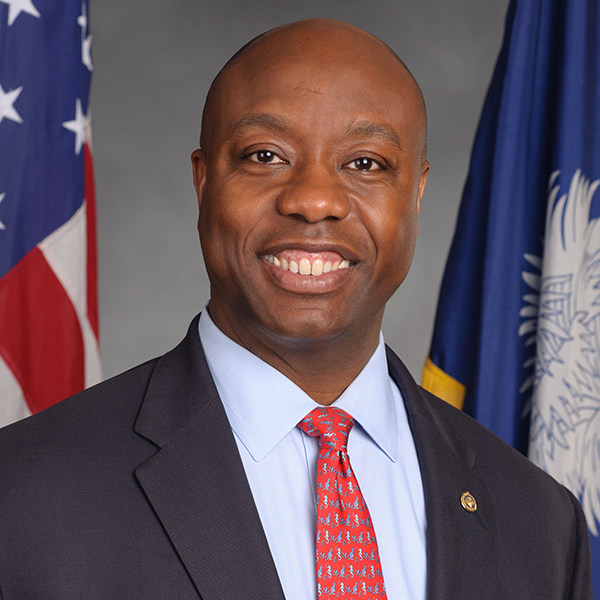
Senator from South Carolina

Senator from New Hampshire
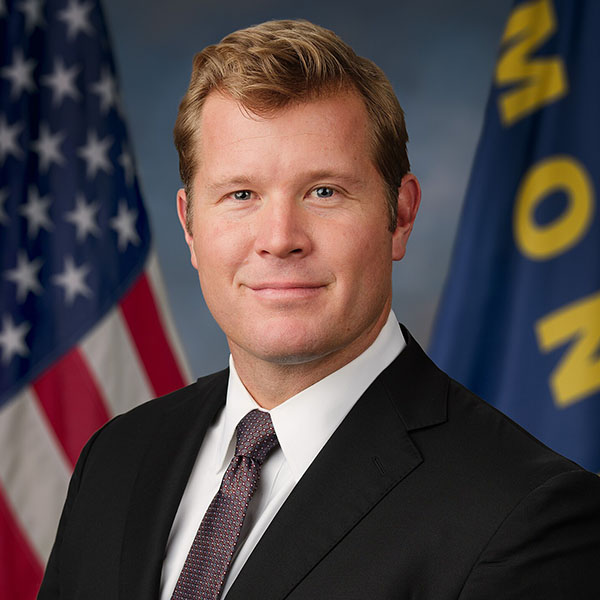
Senator from Montana

Senator from Michigan
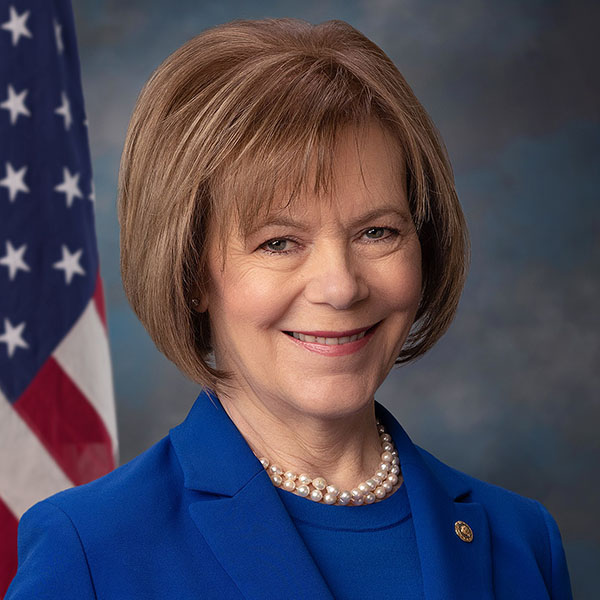
Senator from Minnesota

Senator from Alaska
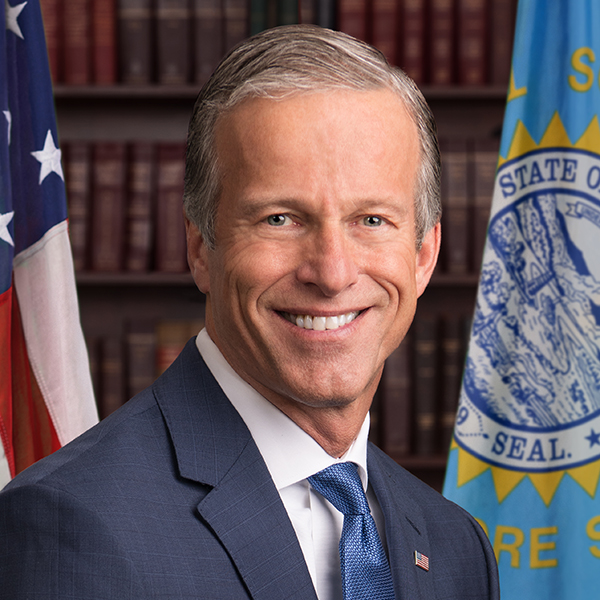
Senator from South Dakota Senate Majority Leader
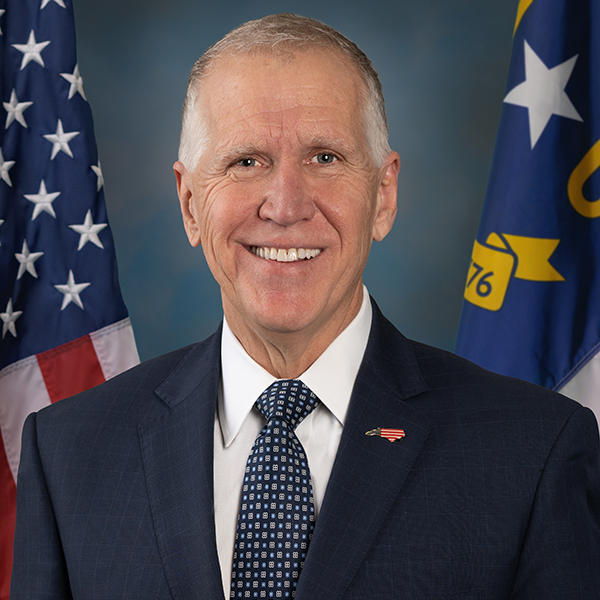
Senator from North Carolina
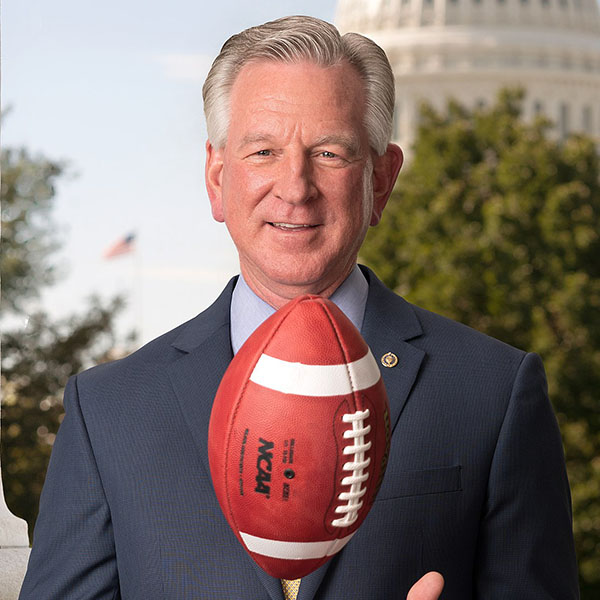
Senator from Alabama

Senator from Maryland

Senator from Virginia
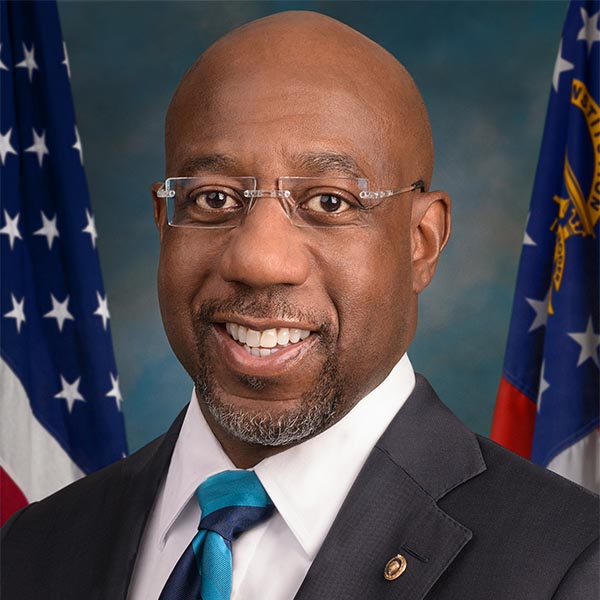
Senator from Georgia

Senator from Massachusetts
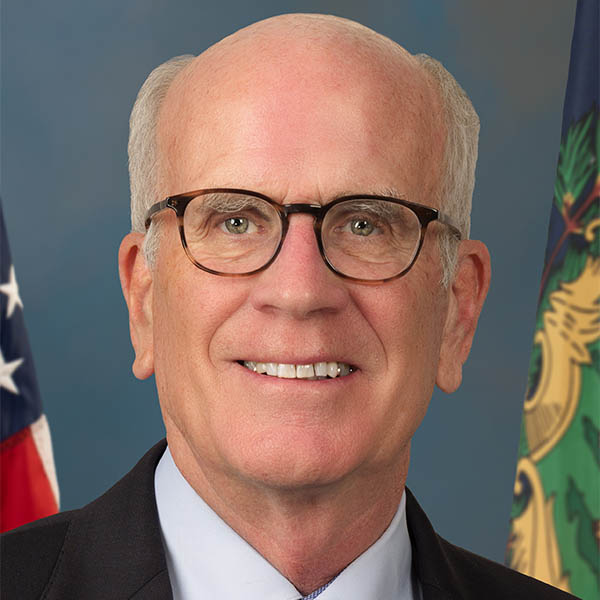
Senator from Vermont

Senator from Rhode Island
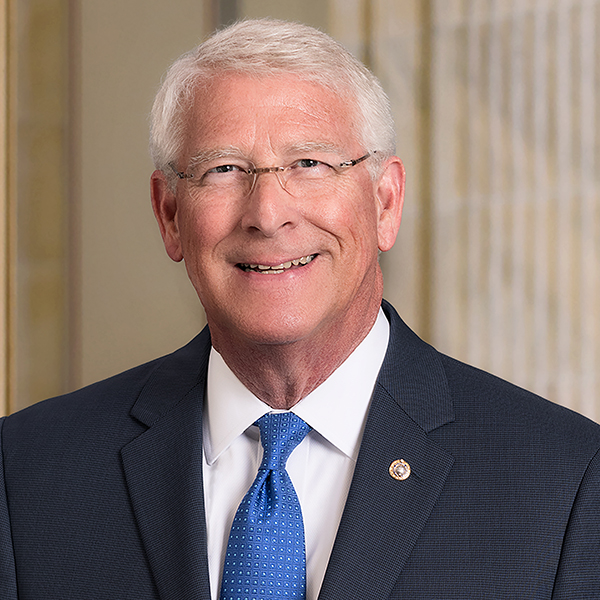
Senator from Mississippi
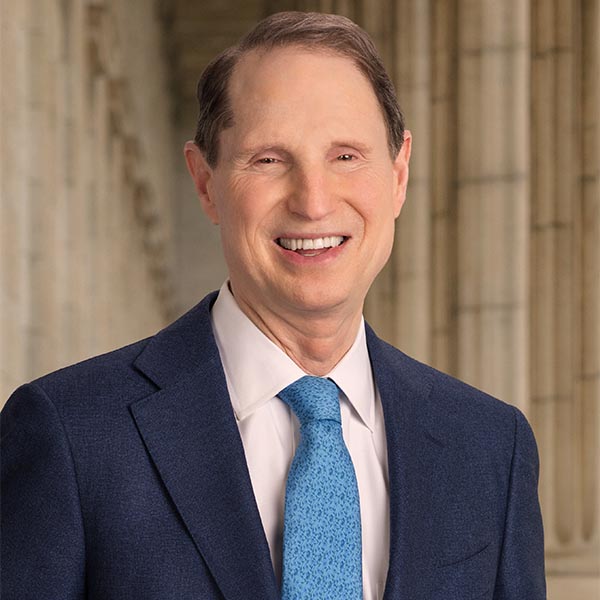
Senator from Oregon

Senator from Indiana